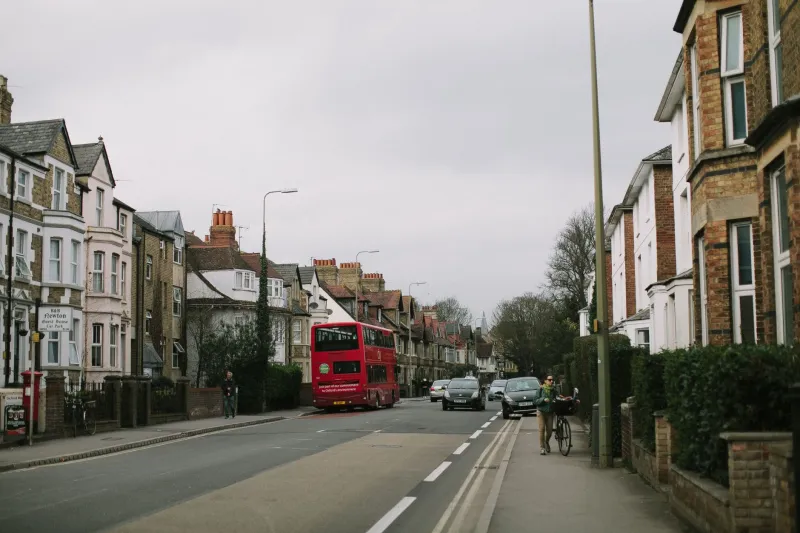
The Tie-Break Table: A Tuesday Night Among Corby’s Quiz League Faithful
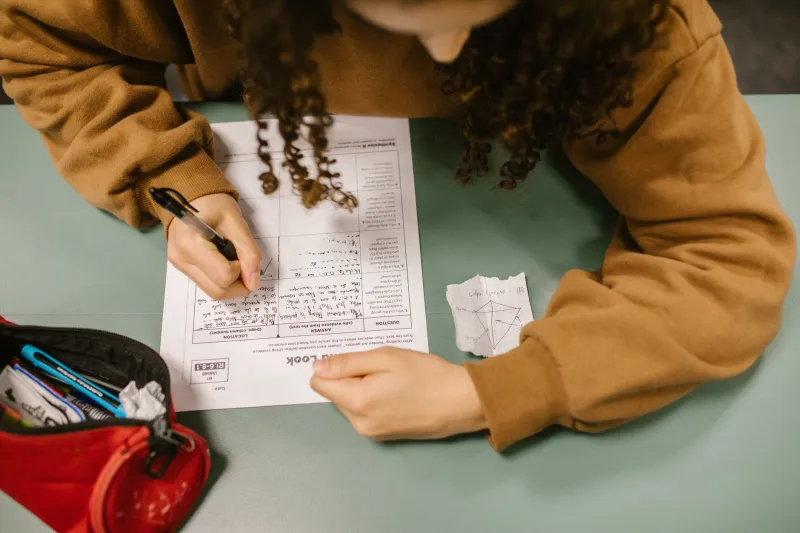
It is 8.15pm on a Tuesday in Corby, and the back room of a pub off Rockingham Road has the particular hush of a place where something important is about to happen. Crisps are opened. Coats are draped over chair backs. A pen is tested on a corner of a beer mat, rejected, and replaced with a different pen from a coat pocket. Somewhere near the door, a man is explaining — with real feeling — why the answer to question seven was definitely not a type of bridge.
This is the Corby Quiz League. Not the televised kind, with dramatic lighting and a host who has been told to pause meaningfully before the ad break. This is the real thing: a weekly gathering of people who like knowing things, like arguing about knowing things, and like sitting in a warm room with a drink while they do it.
The Back Room Where Tuesday Begins
The league runs across several pubs in town, each with its own team and its own personality. There are the teams who arrive with a folder. There are the teams who arrive with a single pen and a confident attitude. And there are the teams who arrive twenty minutes late, apologise to everyone, and then win the local round because they have lived in Corby for forty years and know exactly which street used to have the Co-op before it moved.
Team names are a genre of their own. Corby being Corby, there is usually at least one nod to the town’s steelworks past, one to the loch or the boating lake, and one that is simply a pun so terrible that nobody will admit who suggested it. Nobody is allowed to take themselves too seriously, but nobody is allowed to be careless either. There is a difference between a guess and a considered guess, and the league knows it.
Setters, Sheets and the Art of the Fair Question
The question-setters rotate between teams, which means everyone gets a turn at being the person who makes a room groan. The unwritten rules are strict enough to be real and loose enough to be ignored when necessary: questions should be answerable by a reasonably curious person, local questions should be genuinely local, and no question should ever depend on knowing the middle name of a minor character from a television programme that finished in 1994.
The best setters have a feel for the room. They know when to slip in a music round, when to offer a picture round for the teams who are better with faces than facts, and when to include a question so gloriously obscure that the only possible response is laughter. There is often a moment — usually around question twelve — when the whole room looks up at once, eyebrows raised, and the setter smiles into their pint. That is the moment they set the whole quiz for.
And then there is the local round. This is where the league really lives. Questions about Corby’s history, its landmarks, its quirks and its people are treated with a level of reverence usually reserved for the final of a major sporting event. A question about the year the Corby Cube opened will produce a debate that lasts longer than the answer deserves. A question about which part of town had a particular cinema or a particular chippy will produce a small, delighted riot of memory. Nobody is just recalling facts. They are recalling their own lives, and the lives of the town around them.
Half-Time, Chips and the Social Bit
At half-time, the papers are swapped and marked, and the room relaxes. This is when the league shows its other face: the one that has very little to do with quizzes at all. Chips appear, or crisps, or a plate of something someone brought in because it was their turn. Teams drift between tables to argue about the answers they have just marked. Someone’s dad is introduced to someone’s neighbour. A conversation about a question on 1970s television somehow becomes a conversation about the best chippy in Corby, which somehow becomes a conversation about whether the town has changed for the better.
There is a quiet ritual to it. The same tables. The same seats, mostly. The same person who always says they are not competitive and then keeps a private score on the back of their sheet. The same moment of collective outrage when a question is judged unfair, followed by the same collective agreement that it was probably fair after all. It is a small, ordinary Tuesday night, and it is exactly the kind of ordinary that holds a town together.
The Local Round: When Corby Knows Corby
If you want to understand why the quiz league matters, watch the local round. It is not just a test of knowledge. It is a test of belonging. Long-standing residents have an advantage, but newcomers learn fast, and the league is generous with its knowledge. Nobody is left to feel stupid for not knowing that a particular road used to be something else entirely before the town grew around it. They are simply told the story, and the next time the question comes up, they will know it.
That is how a town passes itself on: in small, low-stakes moments, over a bag of crisps and a pen that is not quite working. The quiz league is not a museum of Corby’s past. It is a living conversation about it, with a score sheet attached.
Why a Good Quiz Night Is About Far More Than Winning
The teams at the top of the table do care about winning. Of course they do. You do not spend a Tuesday evening arguing about the correct spelling of a composer’s name if you are indifferent to the result. But the league is not really about the result, and everyone knows it. It is about the person who comes along on their own for the first time and is immediately made part of a team. It is about the older members who have been attending since before some of the younger players were born, and the younger players who bring a completely different set of facts to the table. It is about the fact that on a dark Tuesday in November, there is somewhere warm to go, and people who will be pleased to see you.
The quiz league is one of Corby’s quiet cornerstones. It does not ask for much. It does not make a fuss. It just turns up, week after week, and makes an ordinary night feel a little more like a community.
The final question is read. Pens hover. Someone says, ‘Oh, I know this one,’ and everyone shushes them, because they said exactly the same thing last week and were wrong. The answer is given. The sheets are collected. There is a brief, good-natured scuffle over the tie-break table, and then the room relaxes into the low hum of people who have nowhere else they need to be.
Same time next Tuesday, then.