Six Free Rides, One Town: A Week on Corby’s Buses
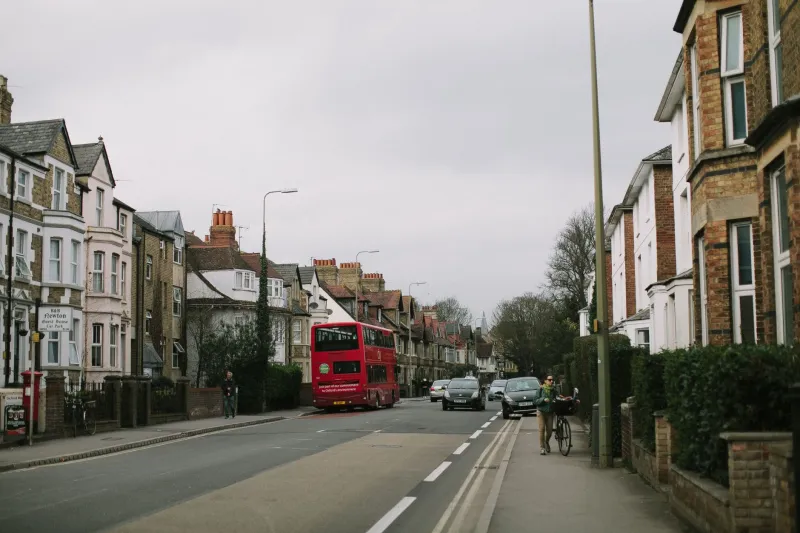
There is a particular kind of luxury in getting on a bus with no destination more pressing than ‘a bit further than usual’. No parking app. No meter. No wondering whether you can squeeze one more bag into the boot. Just a nod to the driver, a seat by the window, and the gentle possibility that the morning might turn into something.
If you are eligible for an older person’s or disabled concessionary bus pass, local bus travel in England is free off-peak. In and around Corby that means the town opens up in a very practical, very pleasant way. Check the current rules and times with North Northamptonshire Council before you set out, because eligibility and peak restrictions still apply. But once you are on board, the fare is the least interesting part of the journey.
I spent a week using my pass as a licence to wander. Six rides, no big plan, one very civilised flask of tea. Here is what I found.
Ride one: the town centre loop that is really a social club
My first trip was deliberately small: town centre to the edge of Oakley Vale and back. A modest journey, the sort you might make for a prescription or a birthday card. But the bus was busy in that lovely mid-morning way, with shopping trolleys, school-run survivors and two gentlemen comparing the merits of different garden centres.
The driver knew most of them. Not in a showy way. Just a ‘morning, love’ here and a ‘you all right, chap?’ there. One regular got on and was asked after her sister before she had even found her purse. That is the thing about a bus pass: it does not just give you transport, it gives you a seat in the town’s ongoing conversation.
Practical tip: sit near the front if you want the chat, near the back if you want to eavesdrop on it. Both are valid.
Ride two: top deck to Kettering, for the view and the vanity
Not every Corby bus is a double-decker, but when one turns up, take the top deck. It is the closest thing we have to a moving balcony. From up there, the town looks different: roofs and treetops, the geometry of the estates, the sudden green gaps you forget exist when you are driving.
I took the bus towards Kettering and back, an out-and-back that cost me nothing but a bit of time. The top deck was nearly empty, so I had a front-row seat for the changing edge of Corby. One minute you are passing familiar corner shops and bus stops, the next you are in that soft fringe of fields and hedges that makes you realise how compact the town really is.
The driver on the return leg was a talker. He had a running joke with a man in a flat cap about whether the traffic lights were ‘personal’. He knew which regular would need the step lowered before they reached the stop. It was the sort of small, expert care that does not show up on a timetable.
Practical tip: if you are not sure where a route goes, ask the driver before you sit down. They would rather tell you than have you end up in the wrong end of town with a heavy bag.
Ride three: the stop that feels like a secret garden
Every bus route has one stop that feels like it belongs to a different town. Mine was on a residential loop near Lodge Park, where the shelter sits beside a strip of greenery so tidy and quiet you half expect a bench with a plaque. I got off with no plan and walked for twenty minutes. A cat watched me from a wall. Someone was trimming a hedge in November. It was deeply ordinary and completely restoring.
This is the bit people miss when they only use buses to get from A to B. A pass gives you permission to get off at B-minus-one, the stop before the one you know, and walk the last bit. You notice porches, house names, the way a street changes character over fifty yards.
Practical tip: use the bus stop as a starting point, not a full stop. Pick a route that passes a park or a green space, get off one stop early, and wander back at your own pace.
Ride four: Great Oakley, Weldon and the half-hour holiday
One morning I took a bus out towards the villages and gave myself a strict rule: no rushing. I got off in Weldon, found a café, and had a pot of tea I did not need and enjoyed enormously. Then I walked a little, caught the next bus back, and was home before lunch.
That half-hour holiday is the real gift of a free pass. It is not about going far. It is about breaking the shape of a normal day. The bus back was full of people doing the same thing in their own way: a woman with a library book, a chap with a bag of screws from a hardware shop, a teenager listening to music so loudly I could hear the drumbeat through their headphones.
Practical tip: check the return times before you get off. Rural routes can be hourly or less, and a missed bus turns a nice morning into a long wait. But if you have the time, the wait is often the best bit.
Ride five: the community route that does the quiet work
Some buses are not really about getting into town. They are about getting across it. My fifth ride threaded through Beanfield and Kingswood, picking up people going to appointments, to see family, to the shops. A woman with a walking frame was helped on by the driver without any fuss. A man got on with a bunch of flowers and was teased gently by half the bus.
This is the unglamorous, essential bus work that keeps a town connected. It is also where you hear the best local news. Within three stops I had learned which road was closed, where the best parking for the tip was, and that someone’s grandson had passed his driving test first time. It is a rolling version of the town noticeboard, with better heating.
Practical tip: if you have a heavy shop or a hospital appointment, off-peak buses are usually calmer. But do not expect silence. Corby buses are not libraries. They are living rooms with wheels.
Ride six: the edge-of-town run for a proper thinking morning
My last journey was the one I had been saving. A bus out towards the edge of town, past the last estates and into that in-between land of hedges, garden centres and industrial roofs. I sat upstairs, drank my flask tea, and watched Corby shrink and then reappear in the wing mirror.
It sounds sentimental, and it probably is. But there is something genuinely cheering about a town that lets you move through it for free, or for the price of a pass, without making a fuss. Corby is not a city with a sightseeing bus. It is better than that. It is a working town with working buses, and if you have a pass, the whole thing is yours for a morning.
What I learned on the top deck
A few things, in no particular order:
- The timetable is the plan. Check it, photograph it, and then accept that it is a guide. Buses happen. So does traffic.
- Drivers are the best local map you will ever meet. Ask them. They know which stop is closest to the side entrance, which route is quickest, and where the coffee is decent.
- Get off early. The stop before your usual one is a tiny adventure.
- Take a flask. It is November. You will want it.
- Talk, or don’t. Both are welcome. The bus is a shared space, not a seminar.
If you have a pass and you have been using it only for the big stuff, the appointments and the supermarket shops, try a small ride this week. Pick a route you have never taken. Get off somewhere that sounds nice. Let the timetable make the decisions for once.
Corby by bus is not glamorous. It is better than that. It is ordinary, useful, occasionally chaotic and full of people who know each other. And with a bus pass in your pocket, it is free to go and see for yourself.