Frost, Flasks and First-Class Leeks: A Morning Among Corby’s Winter Growers
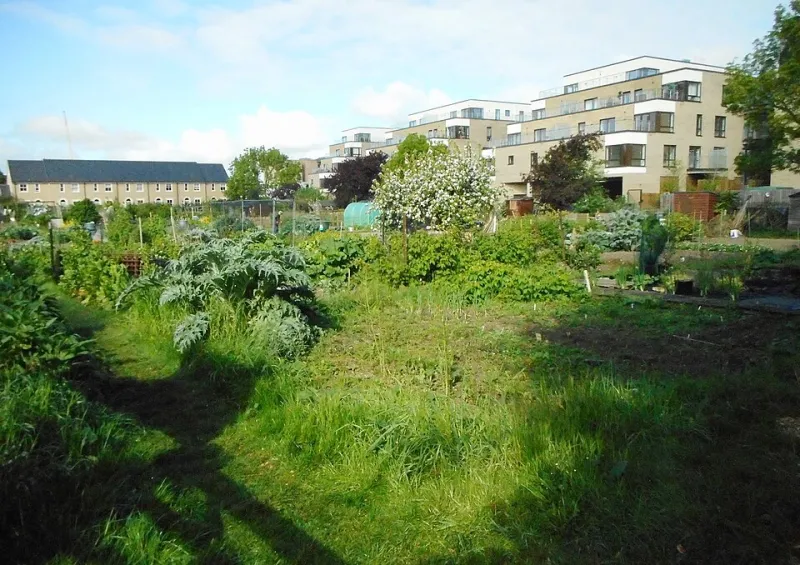
Photo: Richard Sutcliffe , CC BY-SA 2.0, via Wikimedia Commons
At 8.15 on a grey November morning, the air over one of Corby’s allotment sites has a proper winter bite. The gate is already open. A flask steams on a bench. Somewhere behind a shed, a radio is playing something cheerful and slightly too loud.
This is the season when plenty of people assume allotments go quiet. They don’t. They change gear. In 2026, with food shopping still making plenty of us pause at the till, Corby’s plot holders are proving that a modest patch of Northamptonshire soil can keep giving right through the cold months — and that the best crop of all might be the conversation.
The gate that never really closes
By half past eight, there are already half a dozen people on site. Hoods up, boots muddy, hands wrapped around mugs. One plot holder is easing a leek out of the ground with the care of someone lifting a trophy. Another is inspecting a row of purple sprouting broccoli as if it owes them money.
‘You don’t grow leeks in a hurry,’ says Margaret, who has kept a plot here for more than a decade. ‘You wait. You water. You wait some more. Then in November you’ve got soup for weeks and something to give away at the gate.’
That generosity runs through the morning. A carrier bag of apples appears on a bench. A bundle of rhubarb is left by the water butt with a handwritten note: ‘Help yourself.’ Someone has propped a spare rake against a shed with a sign saying ‘borrow, don’t buy’. It is not a formal system. It is better than that.
Leeks that earn their keep
Winter gardening is not about battling the weather. It is about working with it. The plots that look quietly productive in November are the ones where somebody planned ahead in summer.
Leeks stand tall and take frost in their stride. Parsnips are left in the ground until they are needed, the cold turning them sweeter. Kale, winter salad leaves and purple sprouting broccoli keep going with a little protection. Overwintering broad beans and garlic go in now, giving growers a head start when spring finally turns up.
‘The trick is not to tidy everything away,’ says Dave, who is wrestling a roll of fleece over a raised bed. ‘Leave some roots in. Leave some seed heads for the birds. Cover what needs covering, then let the rest get on with it.’
There is still work to do. Tools get cleaned and oiled. Beds get mulched with whatever is to hand. Fruit bushes get a prune. Stored squash gets checked for soft spots. Brassicas get netted against pigeons who seem to view the site as an all-you-can-eat buffet.
A shed is a social club with a rake in it
The practical stuff matters, but it is not really why people turn up in November. The shed chats are the point. Advice is handed out freely: which variety cropped well, which slug defence actually worked, why the compost heap is too dry, why the compost heap is too wet.
‘You can read all you like,’ says Priya, who took on her plot two years ago. ‘But nothing beats somebody standing next to you saying, “Not like that, like this.” I learned more in one morning with Margaret than I did in a whole winter of scrolling.’
That exchange goes both ways. Newer growers bring questions, enthusiasm and occasionally a car boot full of spare seedlings. Longer-standing plot holders bring experience, spare canes and a willingness to explain the difference between a weed and a welcome self-seeder.
By ten o’clock, the kettle has been on twice. Biscuits have been produced from a tin that has clearly seen service. Someone is talking about a seed swap on the noticeboard. Someone else is organising a shared order of compost. The site feels less like a collection of individual gardens and more like a very muddy village hall.
Seeds, swaps and the kindness of spare seedlings
Winter is peak planning season. Catalogues get circled. Seed packets get sorted into shoeboxes. The informal swap table by the gate is already collecting half-used packets of parsnip, beetroot and tomato seed, with a note that says ‘take what you’ll use, leave what you won’t’.
It is a small thing, but it adds up. A packet of seed that costs a few pounds can produce months of food. A spare seedling passed over the fence can save a neighbour a trip to the garden centre. A borrowed tool can mean the difference between starting a plot and giving up before the first spring.
‘People think allotments are just for growing veg,’ says Margaret. ‘They are, a bit. But they’re also for getting out of the house. For having a reason to talk to somebody. For remembering that you’re part of something.’
Why scruffy patches matter in 2026
Corby’s allotments are not manicured. They are sheds and compost bins and wonky paths and beds that have been improvised from pallets. They are exactly what they need to be: useful, generous and a little bit chaotic.
In a year when plenty of us are thinking about the cost of the weekly shop, they offer something practical. In a town that is growing and changing, they offer something steady. A plot is a place to put down roots — literally — and to meet people from different streets, different backgrounds and different generations.
And on a cold November morning, with the flask empty and the leeks safely in a bag, that feels like the real harvest. Not just something for the kitchen. Something for the town.
If you walk past a Corby allotment site this winter and see a gate propped open, don’t be shy. Say hello. Ask about the leeks. You might come away with a few seeds, a bit of advice and a new reason to get out of the house on a Saturday.