The Urn, the Screen and the Saturday Crowd: Inside Corby’s Roving Picture House
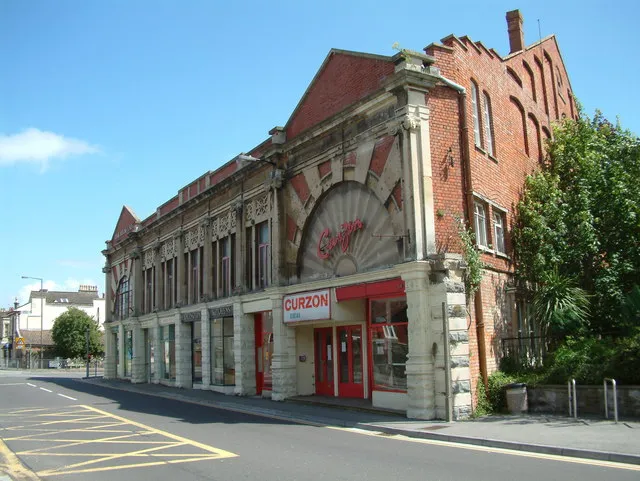
Photo: Ian Knox, CC BY-SA 2.0, via Wikimedia Commons
There is a moment, just before the film starts, when a church hall in Corby stops being a church hall. The stackable chairs are out. The blackout blinds have been wrestled into place. Someone is testing the projector with a cartoon short, and someone else is doing a final headcount on the tea urn. Then the lights go down — not cinema-dark, more community-centre-dim — and a Saturday matinee begins.
On a grey November Saturday in 2026, this is the quiet revival happening in halls and community rooms across town. No multiplex prices, no bus into Kettering, no parking drama. Just a screen, a few volunteers, a table of biscuits and a room full of people who have decided that Saturday afternoon deserves a proper outing. The roving picture house is not one venue. It is a loose, cheerful circuit of pop-up screenings put on by people who love films and love the town more.
Doors, urn, blackout
The setup starts early. Volunteers arrive with the kit: a projector small enough to carry, a roll-up screen, a laptop, a bag of cables that always seems to contain one wrong one, and the aforementioned urn. Halls are chosen for practical reasons — parking, step-free access, a kitchen, enough sockets — but also for atmosphere. A room that feels too big can swallow a matinee. A room that feels too small can turn a family film into a sauna.
The blackout is the real test. Community halls were not designed with cinema in mind. Blinds don’t quite meet. A door has a window. Someone’s car headlights sweep across the back wall. Volunteers have learned to improvise: dark curtains, cardboard, gaffer tape, a polite sign asking people not to open the fire door mid-film. It is not glamorous. It is exactly the kind of make-do that makes the screenings feel local rather than corporate.
How the bill gets picked
The programme is chosen by a small group who take suggestions seriously. There is usually a family slot, a classic, and something with a bit of grit or nostalgia for older residents. The aim is not to chase new releases. It is to give people a shared big-screen experience they might not otherwise have. An animated favourite for children and grandparents. A black-and-white comedy that gets more laughs than expected. A British film with recognisable streets and weather. Occasionally a documentary about music, craft or local history.
The licence and screening rules matter, and the volunteers are careful. But the conversation around the film matters just as much. Should it be subtitled? Is the sound balanced? Will the plot be too much for young children? Is there an interval? The answer to the last one is almost always yes. A matinee without an interval is just a dark room. A matinee with an interval is a social event.
The ten-pence cinema
Cost is central. Tickets are deliberately low — pocket money, not payday — and there are usually concessions for families and older residents. The point is not to undercut the multiplex. It is to remove the small barriers that add up: the bus fare, the popcorn prices, the feeling that a cinema trip has to be a whole afternoon and a whole budget. Here, you can walk in, watch a film, have a cup of tea and still have change for the shop.
That low price changes the room. People relax. Children can be children. Someone can pop out and come back. A grandparent can bring a grandchild without checking the price of everything twice. The screenings are not charity, but they are built on the idea that culture should be close to home and open to everyone. It is a simple proposition: a film, a brew, a biscuit, a chat.
Interval diplomacy
The interval is where the real work happens. The urn is manned. The biscuits are rationed with a generous hand. Someone is selling raffle tickets or collecting donations for the hall roof. Children compare notes on the funny bits. Older residents talk about the first time they saw the film, or the cinema they used to go to. The volunteers move between tables, topping up tea and answering the same question — ‘What’s on next month?’ — with genuine enthusiasm.
There is a skill to it. You need to get people back in their seats without being bossy. You need to make sure the tea queue doesn’t block the loos. You need to remember who asked for decaf. The interval is not an interruption. It is the bit that turns an audience into a room. The film is the excuse. The chat is the point.
After the credits
When the lights come up, nobody rushes out. The chairs are stacked slowly. Someone is still talking about the ending. A volunteer is winding the cable. A child is helping to carry the biscuit tin. The post-film chat spills out into the car park and onto the pavement. This is the part that rarely gets mentioned in the listings, but it is the reason the screenings keep happening. People come for the film and leave with a conversation, a recommendation, a new face they’ll nod to in the Co-op.
For families, it is an affordable Saturday treat that doesn’t involve a motorway. For older residents, it is a warm room and a shared memory. For film buffs, it is a chance to see something on a bigger screen than the living room, with a proper audience laugh. For the volunteers, it is a weekly reminder that Corby doesn’t need to wait for someone else to put on a good night out. It can do it itself, with a screen, a kettle and a bit of gaffer tape.
The next screening
The roving picture house is not trying to become a permanent cinema. It is trying to be a good Saturday. The halls change, the films change, the volunteers rotate. What stays the same is the invitation: come in, sit down, watch something, have a brew, talk about it afterwards. In a town that has always been good at making things for itself, that feels exactly right. Check the noticeboards, the community Facebook pages and the local shop windows. The next matinee is probably closer than you think. Bring a friend. Bring a grandchild. Bring your own biscuit if you like. The urn will be on.